Key Takeaways
- Conducting an SEO audit for an e-commerce website is crucial for success in the competitive online market.
- The audit covers indexation, technical SEO, website structure, navigation, on-page elements, image optimization, and off-page SEO analysis.
- Provides a comprehensive understanding of website performance and uncovers growth opportunities.
- Keyword research and optimization, as well as optimizing title tags and meta descriptions, are important for improving visibility and driving targeted traffic.
You may be thinking, ‘Why do I need to conduct an SEO audit for my e-commerce website?’
Well, let me tell you, in today’s competitive online market, having a solid SEO strategy is crucial for the success of your e-commerce business.
With countless websites vying for attention, it’s essential to ensure that your website is optimized to rank higher in Google results and attract organic traffic.
And that’s where an e-commerce SEO audit comes into play.
By following a step-by-step checklist, you can identify areas of improvement and implement effective strategies to boost your website’s visibility and drive more qualified leads.
From analyzing indexation and technical SEO aspects to optimizing website structure, navigation, and on-page elements, this audit will leave no stone unturned.
We’ll dive into image optimization, Google and Bing property management, page speed, and off-page SEO analysis to provide you with a comprehensive understanding of your website’s performance and uncover opportunities for growth.
So, if you’re ready to take your e-commerce business to new heights, let’s get started with our step-by-step e-commerce SEO audit checklist.
Ecommerce SEO Audit Checklist Overview

The E-commerce SEO audit is like a GPS for your website, guiding you through the necessary steps to optimize your online store and improve its visibility in search rankings.
It’s a crucial process that involves analyzing and assessing various aspects of your website. This includes technical SEO, on-page SEO, and user experience.
By conducting an ecommerce SEO audit, you can identify any issues or areas of improvement that may be hindering your site’s performance.
This checklist serves as a comprehensive guide, helping you navigate through each step and ensuring that you address all the important elements.
Contact us for Ecommerce SEO Service.
From analyzing your website’s structure and navigation to optimizing your product descriptions and images, the ecommerce SEO audit covers all the essential factors that contribute to your site’s overall search engine visibility and rankings.
Indexation Analysis of your ecommerce website
Let’s take a closer look at how well your website is being indexed by Google. Ensuring that your website is properly indexed is a crucial step in any technical SEO audit.
Here are five key factors to consider when conducting an indexation analysis:
- Check the number of indexed pages: Use tools like Google Search Console to see how many of your website’s pages are being indexed by search engines.
- Analyze crawl errors: Identify any crawl errors that may be preventing search engines from properly indexing your website.
- Review XML sitemaps: Make sure your XML sitemap is properly structured and submitted to Google and Bing to aid in the indexing process.
- Check for duplicate content: Duplicate content can lead to indexing issues, so it’s important to identify and address any instances of duplicate content on your website.
- Analyze meta tags: Ensure that your meta tags, including title tags and meta descriptions, are optimized for search engines to properly index your web pages.
By conducting a thorough indexation analysis as part of your on-page SEO audit, you can identify any issues that may be hindering your website’s visibility in search engine results.

Technical SEO Audit for eCommerce website
Take a moment to delve into the intricacies of technical SEO analysis.
Here, you can uncover hidden opportunities to enhance your website’s performance and boost its visibility in the results.
Technical SEO analysis is a crucial step in conducting an e-commerce SEO audit.
By thoroughly evaluating your website’s technical elements, such as site speed, mobile-friendliness, and crawlability, you can identify and resolve any issues that may hinder your site’s performance.
This analysis also allows you to optimize your website’s structure and ensure proper indexing by search engines.
Additionally, technical SEO analysis helps you identify off-page SEO opportunities, such as broken backlinks or missing meta tags, that can be fixed to improve your website’s overall SEO health.
Incorporating this step into your e-commerce SEO audit checklist ensures that you address all technical aspects necessary for a successful online presence.
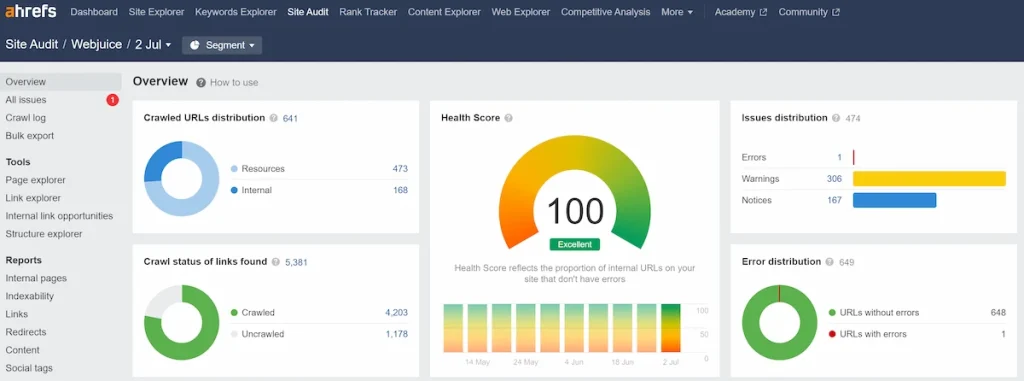
You can use ahrefs for this there is a free version if you connect your Google Search Console with Ahrefs.
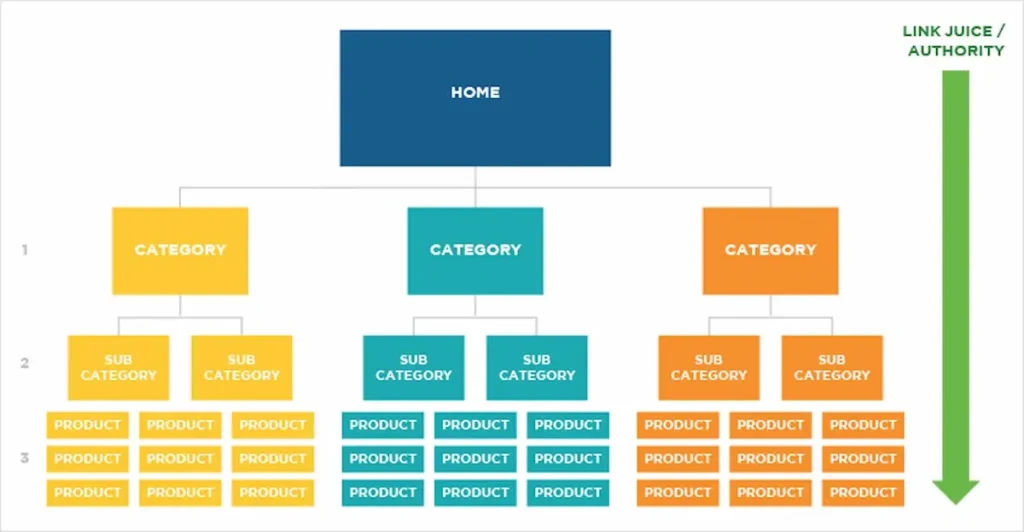
Website Structure and Navigation Audit
Exploring the intricacies of website structure and navigation allows you to optimize your online presence by ensuring a seamless user experience and easy access to relevant content.
A well-designed website structure and intuitive navigation system are crucial for attracting and retaining visitors.
Start by organizing your website into logical categories and subcategories, making it easy for users to find what they’re looking for.
Use clear and descriptive anchor text for your navigation links, helping both users and search engines understand the content of each page.
Implement a breadcrumb trail to provide users with a clear path back to previous pages.
Additionally, make sure your website is mobile-friendly and responsive, as more and more users are accessing the internet through their mobile devices.
By prioritizing website structure and navigation, you can enhance user satisfaction and improve your overall SEO performance.
On-Page SEO Analysis Tools checklist
When conducting an on-page SEO analysis, it’s crucial to utilize tools like Ahrefs, SemRush, and Majestic. These tools provide valuable insights into keyword research, competitor analysis, and backlink analysis.
By using these tools, you can strategically optimize your website’s on-page elements, improve your search rankings, and stay ahead of your competition.
Ahrefs

Unlock the power of Ahrefs and watch as your website soars to new heights with its comprehensive SEO analysis tools.
Ahrefs is a game-changer when it comes to optimizing your ecommerce website for search engines.
Conducting an SEO audit today is essential for any online business, and Ahrefs makes it easier than ever.
With its wide range of features, you can analyze your site’s backlinks, track keywords, and monitor your competitors’ strategies.
By using Ahrefs, you can ensure that your ecommerce SEO checklist is complete and effective.
This tool also allows you to perform a user experience audit, ensuring that your website is user-friendly and intuitive.
Don’t miss out on the benefits Ahrefs can bring to your ecommerce SEO efforts.
SemRush
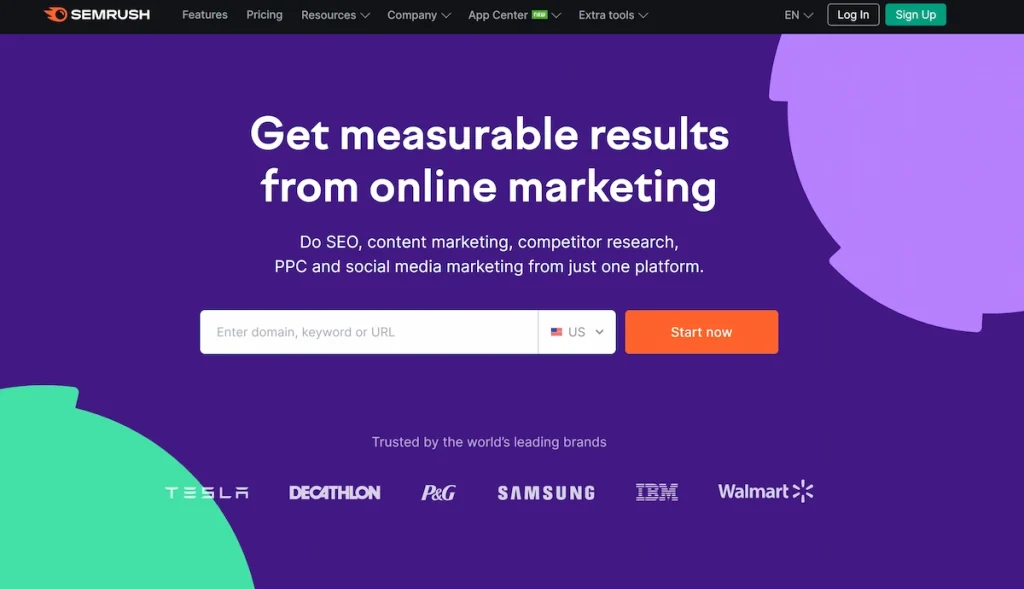
When it comes to conducting an ecommerce SEO audit, SemRush is an invaluable asset. With its comprehensive suite of features, SemRush allows you to analyze your website’s SEO performance, identify areas for improvement, and stay on top of the latest industry trends.
From keyword research to backlink analysis, SemRush covers all the bases, ensuring that your ecommerce site is fully optimized for search engines.
With SemRush, you can easily track your competitors’ strategies, identify new opportunities, and make data-driven decisions to drive more traffic and increase conversions.
Majestic
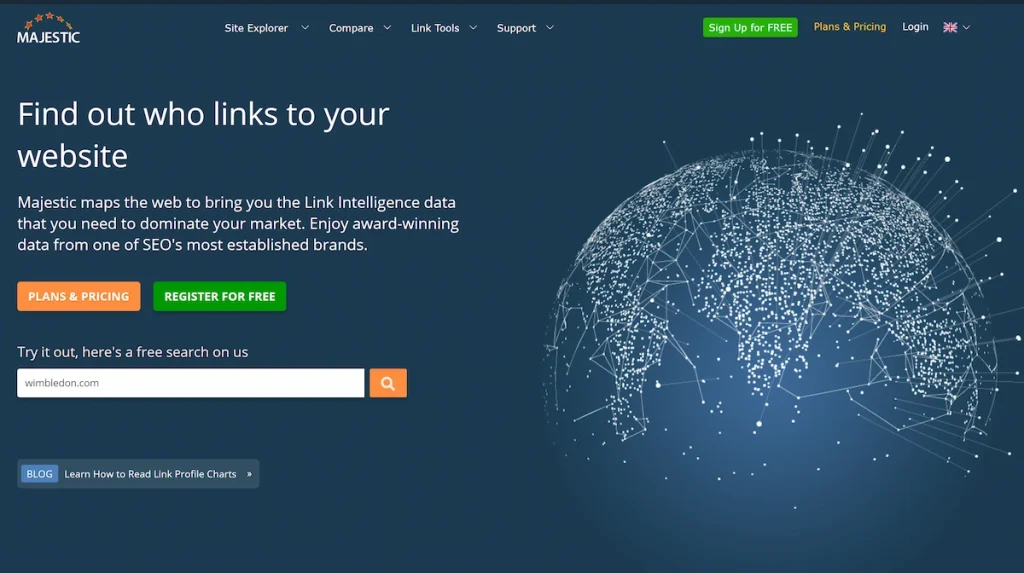
To fully optimize your online business, you need to utilize Majestic, an essential tool for analyzing your website’s backlink profile and increasing your rankings.
Did you know that websites with a higher number of quality backlinks tend to have higher organic search traffic?
Majestic allows you to dig deep into your backlink data, providing you with valuable insights and topical metrics to make informed decisions.
With its comprehensive database, you can explore the link profile of your competitors, identify new linking opportunities, and track the success of your link-building efforts.
Majestic’s Trust Flow and Citation Flow metrics help you assess the quality and authority of your backlinks, ensuring you focus on acquiring links from reputable sources.
Content Optimization Ecommerce Audit
When it comes to content optimization for e-commerce websites, there are three key areas to focus on:
- category/collection page optimization
- product page optimization
- blog post optimization
By optimizing your category pages, you can improve the overall user experience, make it easier for search engines to understand your website’s structure, and increase the visibility of your products.
Product page optimization involves optimizing individual product pages to make them more attractive to both users and search engines.
This can be done by including relevant keywords, high-quality images, and detailed product descriptions.
Lastly, optimizing your blog posts can help drive targeted traffic to your website, establish your brand as an authority in your industry, and improve your overall rankings.
Category Page Optimization
Improve your e-commerce website’s visibility and attract more customers by optimizing your category pages.
Category page optimization is a crucial step in enhancing your website’s performance and driving organic traffic.
Start by conducting keyword research to identify the relevant keywords for each category.
Incorporate these keywords naturally into your page titles, meta descriptions, and headers.
Ensure that your category pages have unique and descriptive content that accurately represents the products or services offered.
Organize your products into logical and user-friendly categories, making it easy for visitors to navigate and find what they’re looking for.
Optimize your category page URLs and include relevant keywords to improve rankings.
Additionally, enhance your page load speed and mobile responsiveness to provide a seamless user experience.
By optimizing your category pages, you can boost your website’s visibility and attract more potential customers.
Product Page Optimization
Now that you have optimized your category pages, it’s time to focus on your product pages.
Product page optimization is crucial for improving your e-commerce website’s visibility and driving conversions.
By optimizing your product pages, you can enhance the user experience, increase organic traffic, and ultimately boost sales.
Start by conducting keyword research to identify the most relevant and high-converting keywords for each product.
Incorporate these keywords strategically into your product titles, descriptions, headers, and image alt tags.
Additionally, make sure to optimize your product page URLs, meta tags, and breadcrumbs for better search visibility.
To illustrate the importance of product page optimization, consider the following table:
| Optimization Aspect | Importance |
|---|---|
| Keyword placement | High |
| Meta tag optimization | Medium |
| Image alt tag optimization | Medium |
| URL optimization | High |
| Breadcrumb optimization | Low |
By implementing these optimization techniques, you can significantly improve the visibility and performance of your product pages.
Blog Posts Optimization
Enhance your blog posts to captivate your audience and leave them craving for more.
Optimizing your blog posts is a strategic move to increase visibility and engagement.
Start by conducting keyword research and incorporating relevant keywords into your blog titles, headings, and content.
Craft compelling and informative content that resonates with your target audience.
Use a mix of text, images, and videos to make your blog posts visually appealing and engaging.
Additionally, optimize your blog post meta descriptions and URLs to improve rankings.
Make sure to include internal and external links to reputable sources to enhance credibility.
Don’t forget to promote your blog posts on social media platforms and encourage readers to share.
By following these steps, you can optimize your blog posts for maximum impact and drive more traffic to your e-commerce website.
Keyword Research and Optimization
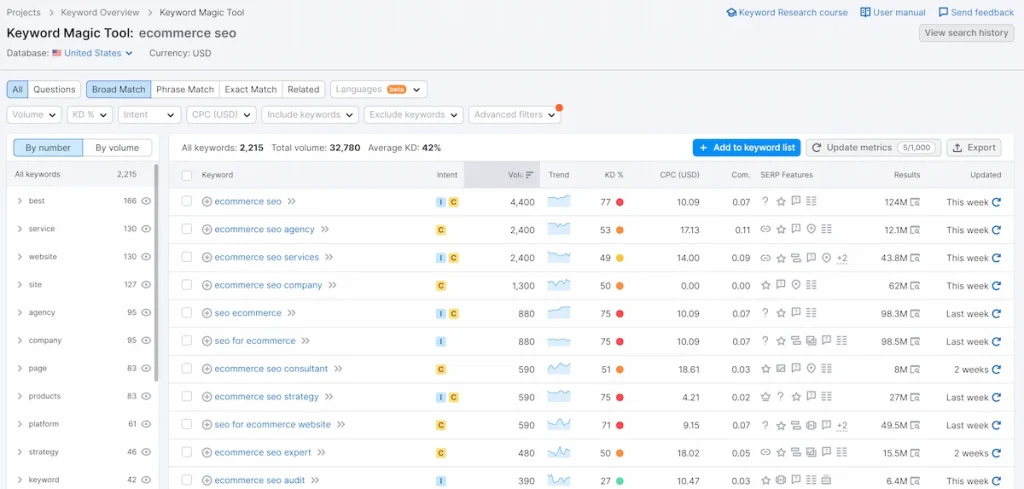
When conducting keyword research and optimization for your e-commerce website, it’s important to focus on three key types of keywords.
Primary keywords are the main terms that describe your overall business or website.
Product keywords are specific terms that describe the individual products you offer.
Category keywords are terms that describe the broader categories or sections of your website. Th
By strategically optimizing your content with these different types of keywords, you can improve your website’s visibility and attract targeted traffic.
Those keywords you can use for Google PPC Strategy for your Ecommerce brand.
Primary Keywords
Discover the power of incorporating primary keywords into your e-commerce website’s content to boost its visibility in rankings.
By strategically selecting and optimizing primary keywords, you can effectively target your audience and improve your website’s organic traffic.
Here are four key reasons why primary keywords are essential for your e-commerce SEO strategy:
- Increased visibility: Incorporating primary keywords in your website’s content helps search engines understand what your website is about and makes it more likely to appear in relevant search results.
- Targeted traffic: By using primary keywords that are highly relevant to your products or services, you can attract users who are actively searching for what you offer.
- Higher conversion rates: When your website ranks higher in search engine results, it attracts more qualified traffic, leading to a higher likelihood of conversions and sales.
- Competitive advantage: By optimizing your website with primary keywords, you can outrank your competitors and establish your brand as a leader in your industry.
By leveraging the power of primary keywords, you can significantly enhance your e-commerce website’s visibility and drive targeted traffic, ultimately boosting your online sales and business growth.
Product Keywords
Product keywords are crucial for optimizing your e-commerce website and attracting potential customers who are actively searching for the specific products you offer.
These keywords play a vital role in improving your website’s visibility on Google result pages (SERPs).
By incorporating relevant product keywords into your website’s content, meta tags, and URLs, you can increase your chances of ranking higher in search results and driving targeted traffic to your online store.
To help you understand the importance of product keywords, here is a table that showcases the emotional impact of using the right keywords:
| Emotion | Keyword Example |
|---|---|
| Excitement | “New Arrival” |
| Trust | “Top-rated” |
| Urgency | “Limited Stock” |
| Exclusivity | “Exclusive Offer” |
| Satisfaction | “Customer Favorite” |
By strategically using these product keywords, you can create a compelling and enticing online shopping experience for your potential customers, leading to increased conversions and sales.
Category Keywords
Now that you’ve optimized your product keywords, it’s time to tackle category keywords.
These keywords are crucial for organizing your e-commerce website and improving its visibility.
By targeting the right category keywords, you can ensure that your products are shown to the right audience at the right time.
Here’s a step-by-step checklist to help you optimize your category keywords:
- Conduct thorough keyword research to find the most relevant and high-performing category keywords.
- Analyze your competitors’ category keywords to gain insights and stay ahead in the market.
- Optimize your category pages by incorporating the chosen keywords in the page titles, meta descriptions, headers, and content.
- Regularly monitor and update your category keywords to align with the changing market trends.
By following this checklist, you’ll be able to boost your e-commerce website’s visibility and attract more potential customers.
Title Tags and Meta Descriptions
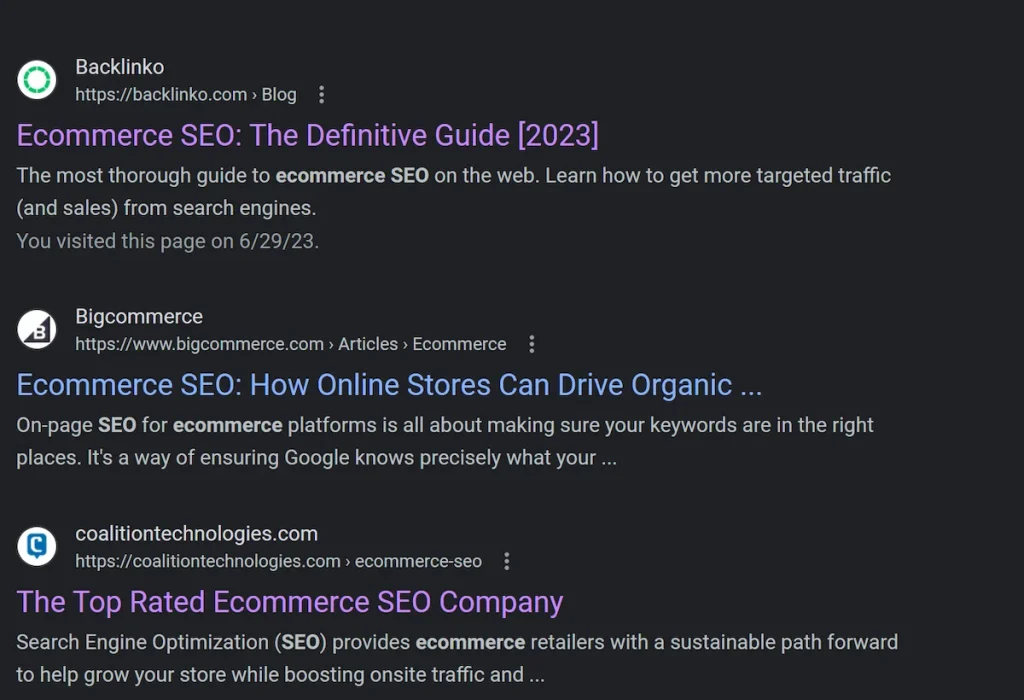
Improving title tags and meta descriptions can boost a website’s click-through rate by up to 30%.
These elements play a crucial role in attracting users to click on your website in search results.
When optimizing title tags, it’s important to include relevant keywords that accurately describe the content of your page.
Aim for a concise, yet compelling title that grabs the user’s attention.
Meta descriptions should provide a concise summary of the page’s content and entice users to click through.
Include relevant keywords in the meta description, but be careful not to keyword stuff.
Keep it informative and engaging.
Remember, search engines display only a limited number of characters for both title tags and meta descriptions, so make every word count.
Utilizing compelling and optimized title tags and meta descriptions will help improve your website’s visibility and increase click-through rates.
Duplicate Content Issues
To avoid duplicate content issues, you should regularly review your website’s pages to ensure that each one offers unique and valuable information, preventing users from feeling like they’re walking through a monotonous desert.
Duplicate content can harm your website’s SEO, as search engines may penalize you for having identical or very similar content on multiple pages.
It’s important to identify and address these issues promptly.
Conduct a thorough audit of your website, using tools like Screaming Frog or Moz to identify duplicate content.
Once identified, take action by either merging similar pages, implementing canonical tags, or creating unique content for each page.
By eliminating duplicate content, you’ll improve your website’s SEO and provide a better user experience.
| Duplicate Content Issues | Impact | Solutions |
|---|---|---|
| Identical content on multiple pages | Decreased SEO rankings | Merge similar pages |
| Very similar content on multiple pages | Confusion for users | Implement canonical tags |
| Scraped content from other websites | Legal issues, SEO penalties | Create unique content |
Duplicate Content Issues
Broken links and redirects can negatively impact user experience and SEO.
For example, imagine clicking on a link to a product you’re interested in purchasing, only to be redirected to a page that no longer exists or is completely unrelated.
This can be frustrating for users and may lead them to leave your website, resulting in lost sales and decreased rankings in search results.
To avoid these issues and ensure a smooth user experience, it’s important to regularly conduct a thorough audit of your website for broken links and redirects.
Here are three key areas to focus on:
- Identify broken links: Use a tool like Screaming Frog or Google Search Console to crawl your website and identify any broken links. Once identified, fix or remove these links to ensure users aren’t led to dead ends.
- Check redirect chains: Redirect chains occur when a link redirects to another link, which redirects to another link, and so on. These chains can slow down page load times and confuse search engines. Use a tool like Redirect Path to identify and fix any redirect chains.
- Update outdated redirects: Over time, URLs may change or be removed. It’s important to update any outdated redirects to ensure users are directed to the correct pages. Regularly review your redirects and update them accordingly.
By addressing broken links and redirects, you can improve user experience, retain customers, and maintain strong SEO rankings.
XML Sitemap
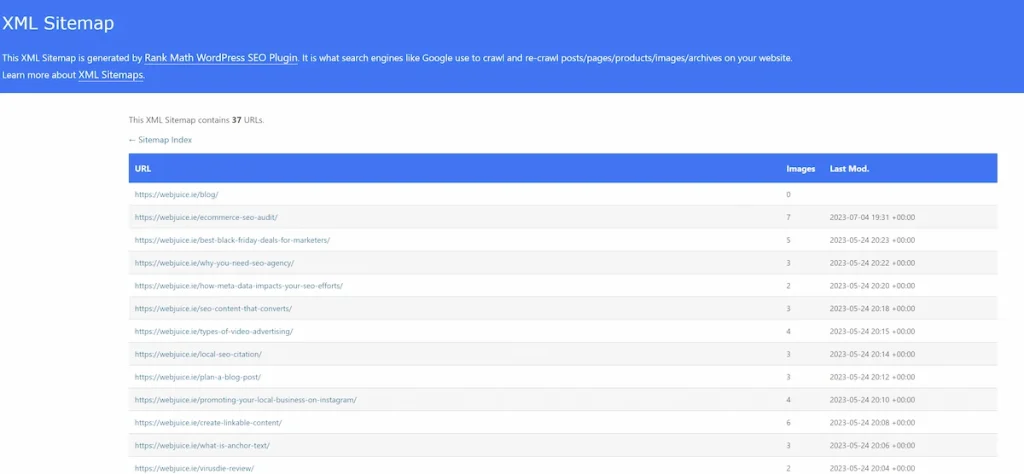
When it comes to URL structure and XML Sitemap, there are a few key points to keep in mind.
First, make sure your URLs are descriptive and user-friendly, using keywords that accurately reflect the content of the page.
Second, ensure that your URLs are concise and avoid using unnecessary characters or parameters.
Finally, consider implementing a logical hierarchy in your URL structure to help search engines understand the organization of your website.
By paying attention to these details, you can optimize your URL structure for better SEO performance.
URL Structure
Ensure that your URL structure is user-friendly and optimized for Google and Bing.
A well-structured URL not only helps users easily navigate your website but also improves your search rankings.
Follow these guidelines to create an effective URL structure:
-
Keep it simple: Use descriptive words that accurately represent the content of the page. Avoid using numbers, symbols, or irrelevant information in your URLs.
-
Include keywords: Incorporate relevant keywords in your URLs to increase their visibility in search results. This helps search engines understand the content of your pages and improves their chances of being ranked higher.
-
Use hyphens: Separate words in your URLs with hyphens instead of underscores or spaces. Hyphens are more search engine-friendly and make it easier for both search engines and users to read and understand your URLs.
By following these URL structure best practices, you can enhance your website’s usability and improve its visibility in search results.
Image Optimization
Optimizing images is crucial for improving e-commerce website performance, as studies show that websites with optimized images experience a 40% increase in user engagement.
By optimizing your images, you can enhance your website’s loading speed, which is a key factor for user experience and search engine rankings.
To effectively optimize your images, consider the following factors:
- Image Compression: Reduce the file size of your images without compromising quality using tools like ShortPixel or Kraken.io.
- Alt Text: Include descriptive alt text that accurately reflects the image content to improve accessibility and search engine indexing.
- Image File Names: Use descriptive and keyword-rich file names for your images to enhance their visibility in search results.
By implementing these image optimization techniques, you can enhance your e-commerce website’s performance, improve user engagement, and boost your search rankings.
Google and Bing Property
To optimize your website’s performance and improve your e-commerce SEO, it’s crucial to have a strong presence on Google and Bing.
Google Analytics 4 is a powerful tool that provides valuable insights into your website’s traffic, user behavior, and conversion rates.
Additionally, integrating with Google Search Console allows you to monitor your website’s visibility in search results, identify any issues, and improve your overall organic search performance.
By leveraging these tools, you can make data-driven decisions and implement effective strategies to enhance your e-commerce website’s visibility and drive more targeted traffic to your online store.
Google Anlytics 4
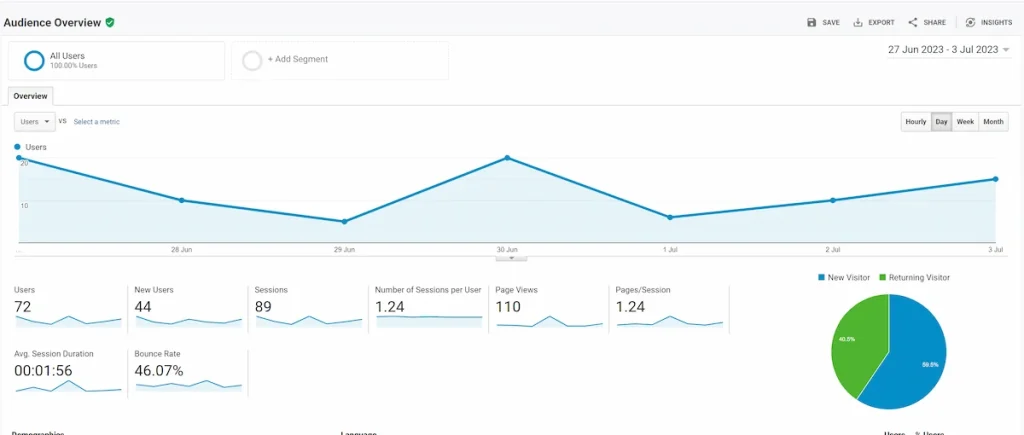
When using Google Analytics 4, you can gain valuable insights into your e-commerce website’s performance and user behavior.
This powerful tool allows you to track and analyze key metrics that can help you optimize your website and drive more conversions.
Here are four key features of Google Analytics 4 that can provide you with actionable data:
Enhanced measurement: With Google Analytics 4, you can track events and conversions more accurately, giving you a deeper understanding of how users interact with your website.
Machine learning capabilities: The advanced machine learning algorithms in Google Analytics 4 can help you uncover patterns and trends in your data, allowing you to make data-driven decisions.
Cross-platform tracking: Google Analytics 4 allows you to track user interactions across different devices and platforms, giving you a comprehensive view of your customer’s journey.
Customizable reports: You can create customized reports in Google Analytics 4, allowing you to focus on the metrics that matter most to your e-commerce business.
By leveraging these features, you can gain valuable insights and make data-driven decisions to improve your e-commerce website’s performance and drive more sales.
Search Console
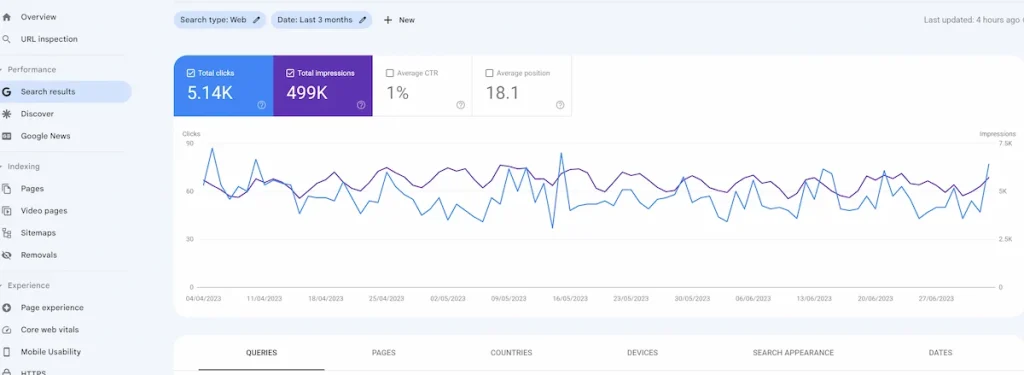
Imagine having a tool that allows you to track and analyze your website’s performance and user behavior across search engines – that’s where Search Console comes in.
With Search Console, you can gain valuable insights into how your website is performing in search results and identify areas for improvement.
This powerful tool provides you with data on your website’s visibility in search, the keywords driving traffic to your site, and the click-through rates of your pages.
It also alerts you to any issues, such as indexing errors or security threats, that may be impacting your website’s performance.
By regularly monitoring and analyzing this data, you can make informed decisions and optimize your website for better search engine rankings and increased organic traffic.
Page Speed
Additionally, optimizing page load speed can greatly enhance the user experience and potentially boost search engine rankings.
One tool that can help you assess and improve your website’s page speed is Page Speed Insights.
This free tool provided by Google analyzes the content of a web page and generates suggestions to make that page faster.
Page Speed Insights evaluates both the desktop and mobile versions of your website, providing valuable insights into areas that need improvement.
It identifies issues such as render-blocking JavaScript and CSS, oversized images, and server response time, offering actionable recommendations to fix these problems.
By implementing these suggestions, you can significantly improve your website’s performance, ensuring a seamless and enjoyable experience for your users while also increasing your chances of ranking higher in search engine results.
Gtmetrix
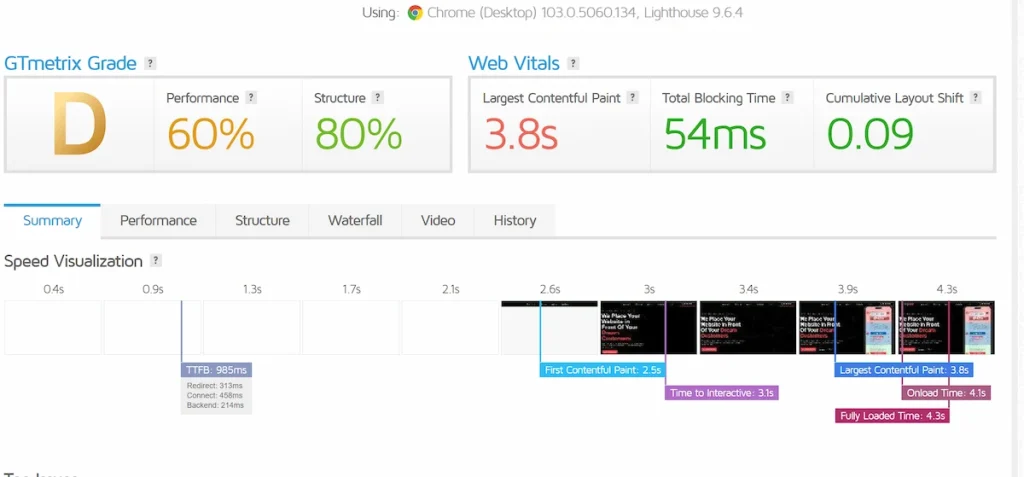
Optimizing your website’s performance is essential for a seamless user experience and higher search engine rankings, and one powerful tool that can help you achieve this is Gtmetrix.
With Gtmetrix, you can analyze your website’s speed and performance, identify areas for improvement, and implement effective strategies to enhance your site’s overall performance.
Here’s how Gtmetrix can help you:
-
Performance Scores: Gtmetrix provides you with a detailed analysis of your website’s performance, including scores for page speed and YSlow. This allows you to identify specific areas where your site can be optimized.
-
Page Load Time: Gtmetrix measures how long it takes for your website to load, giving you valuable insights into potential bottlenecks that may be slowing down your site’s performance.
-
Page Size and Requests: Gtmetrix breaks down the size of your web pages and the number of requests made, helping you identify any heavy or unnecessary elements that can be optimized for faster loading.
-
Waterfall Analysis: Gtmetrix provides a visual representation of the loading process, allowing you to see how each element on your page contributes to the overall load time. This helps you pinpoint specific issues and prioritize optimization efforts.
By leveraging the power of Gtmetrix, you can identify and address performance issues on your website, ultimately improving user experience and boosting your search engine rankings.
Page Speed Insights
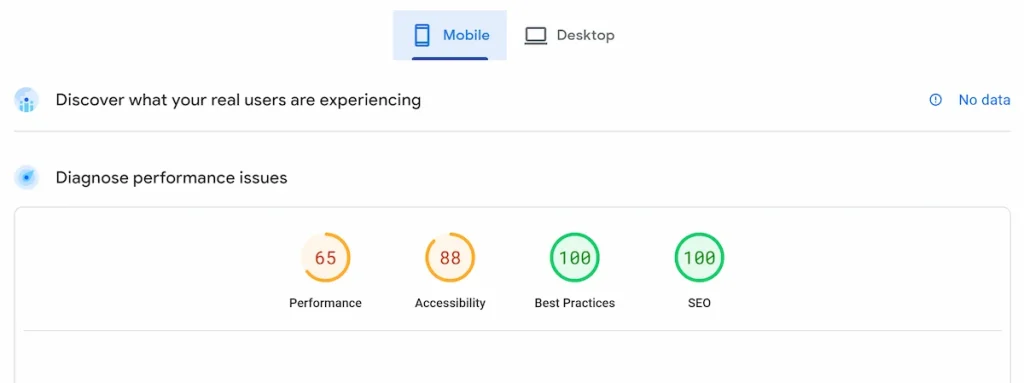
Additionally, optimizing page load speed can greatly enhance the user experience and potentially boost search engine rankings.
One tool that can help you assess and improve your website’s page speed is Page Speed Insights.
This free tool provided by Google analyzes the content of a web page and generates suggestions to make that page faster.
Page Speed Insights evaluates both the desktop and mobile versions of your website, providing valuable insights into areas that need improvement.
It identifies issues such as render-blocking JavaScript and CSS, oversized images, and server response time, offering actionable recommendations to fix these problems.
By implementing these suggestions, you can significantly improve your website’s performance, ensuring a seamless and enjoyable experience for your users while also increasing your chances of ranking higher in search engine results.
Off-Page SEO Analysis
When conducting an off-page SEO analysis, there are several key points to consider.
First, you should evaluate the number of backlinks pointing to your website, as this can indicate the level of authority and popularity your site holds.
Second, it’s crucial to assess the quality of these backlinks, focusing on factors such as relevancy, authority, and trustworthiness.
Lastly, don’t forget to analyze off-site reviews, as they can greatly impact your online reputation and visibility.
By taking these factors into account, you can develop a comprehensive off-page SEO strategy that’ll enhance your website’s performance and visibility.
Backlink Quantity
Furthermore, having a multitude of high-quality backlinks is like having a network of powerful allies spreading the word about your e-commerce website across the vast online landscape.
Backlinks play a crucial role in off-page SEO analysis as they indicate the credibility and popularity of your website.
However, it’s not just about the quantity of backlinks, but also the quality. A large number of low-quality or spammy backlinks can actually harm your SEO efforts.
To ensure a strong backlink profile, conduct a thorough audit to identify any toxic or irrelevant links and disavow them.
Focus on acquiring high-quality backlinks from authoritative websites relevant to your industry.
This will not only boost your search engine rankings but also establish your website as a trusted source in the eyes of both search engines and users.
| Emotional Response | Table Heading 1 | Table Heading 2 | Table Heading 3 |
|---|---|---|---|
| Excitement | Exciting | Powerful | Thrilling |
| Trust | Reliable | Credible | Dependable |
| Confidence | Strong | Respected | Competent |
| Success | Achievement | Victorious | Triumphant |
Backlink Quality
Establishing a network of powerful allies through high-quality backlinks is like unleashing a surge of excitement, trust, confidence, and success for your e-commerce website.
Backlink quality plays a crucial role in improving your website’s search engine optimization (SEO) performance.
When it comes to backlinks, it’s not just about the quantity; it’s about the quality.
High-quality backlinks come from reputable, authoritative websites that are relevant to your industry or niche.
These backlinks carry more weight and credibility, signaling to search engines that your website is trustworthy and valuable.
To assess the quality of your backlinks, consider factors such as the domain authority, relevancy, and trustworthiness of the linking website.
Conducting a thorough backlink audit is essential to identify any low-quality or spammy backlinks that could be harming your SEO efforts.
By focusing on acquiring high-quality backlinks, you can boost your website’s visibility, organic traffic, and overall success in the competitive e-commerce landscape.
Backlink Quality
Off-site reviews are like a chorus of satisfied customers singing your praises, filling your heart with joy and boosting your brand’s reputation.
These reviews are an essential part of your e-commerce SEO audit as they provide valuable insights into your customers’ experiences and can significantly impact your search engine rankings.
When conducting an audit, it’s crucial to assess the quality and quantity of off-site reviews.
Look for websites and platforms where your customers might leave reviews, such as Google My Business, Yelp, or industry-specific directories.
Evaluate the overall sentiment of the reviews and identify any recurring themes or issues that need to be addressed.
By analyzing off-site reviews, you can gain valuable insights to improve your customers’ experiences, enhance your brand’s reputation, and boost your e-commerce success.
Why is it important to conduct an eCommerce SEO audit?
What are the key components included in an eCommerce SEO audit?
An eCommerce SEO audit typically includes an assessment of various aspects such as website structure, on-page SEO factors, technical SEO issues, content quality and relevance, user experience, off-page SEO factors, internal linking, and local SEO considerations.
How often should I audit my eCommerce website for SEO?
The frequency of eCommerce SEO audits may vary depending on the size and complexity of your website, as well as your specific SEO goals. However, it is generally recommended to conduct a comprehensive SEO audit at least once every 6 to 12 months, and perform regular mini-audits to catch any new issues or changes.
What are the benefits of conducting an on-page SEO audit for my eCommerce website?
An on-page SEO audit helps you identify and fix any on-page SEO issues that may be affecting your website’s organic visibility. This includes optimizing meta tags, improving keyword usage, enhancing content quality and relevance, optimizing website pages for mobile devices, improving site speed, and ensuring proper use of headings and internal linking.
How does an eCommerce SEO audit help in improving user experience?
An eCommerce SEO audit evaluates various user experience factors such as website design, navigation, page load speed, mobile compatibility, and overall usability. By addressing any usability issues and improving the user experience, you can enhance engagement, increase conversions, and improve your website’s search engine rankings.
Are SEO audits an worth the investment for eCommerce businesses?
Yes, SEO audits are definitely worth the investment for eCommerce businesses. By identifying and resolving any SEO issues, you can improve your website’s visibility in search engine results, attract more organic traffic, increase conversions, and ultimately grow your online business.
What are some of the best practices for conducting an eCommerce SEO audit?
Some best practices to follow when conducting an eCommerce SEO audit include: conducting a comprehensive website audit, analyzing keyword performance and relevancy, evaluating website speed and mobile-friendliness, assessing content quality and uniqueness, optimizing meta tags and headings, analyzing backlink profile, auditing internal linking structure, and tracking SEO metrics.
What are some common SEO factors to consider during an eCommerce SEO audit?
Some common SEO factors to consider during an eCommerce SEO audit include website structure and navigation, URL structure, keyword usage and optimization, meta tags and descriptions, content quality and relevance, image optimization, user experience, mobile-friendliness, site speed, internal linking, and off-page SEO factors.
How can a technical SEO audit benefit my eCommerce website?
A technical SEO audit helps identify and address any technical issues that may be affecting your website’s search engine visibility and performance. This includes assessing website speed, crawlability, indexability, website security, structured data markup, XML sitemap, robots.txt file, canonical tags, and other technical SEO elements.
source https://webjuice.ie/mastering-ecommerce-seo/